Family Reunions A Tradition Worth Preserving
Family Reunions: A Tradition Worth Preserving
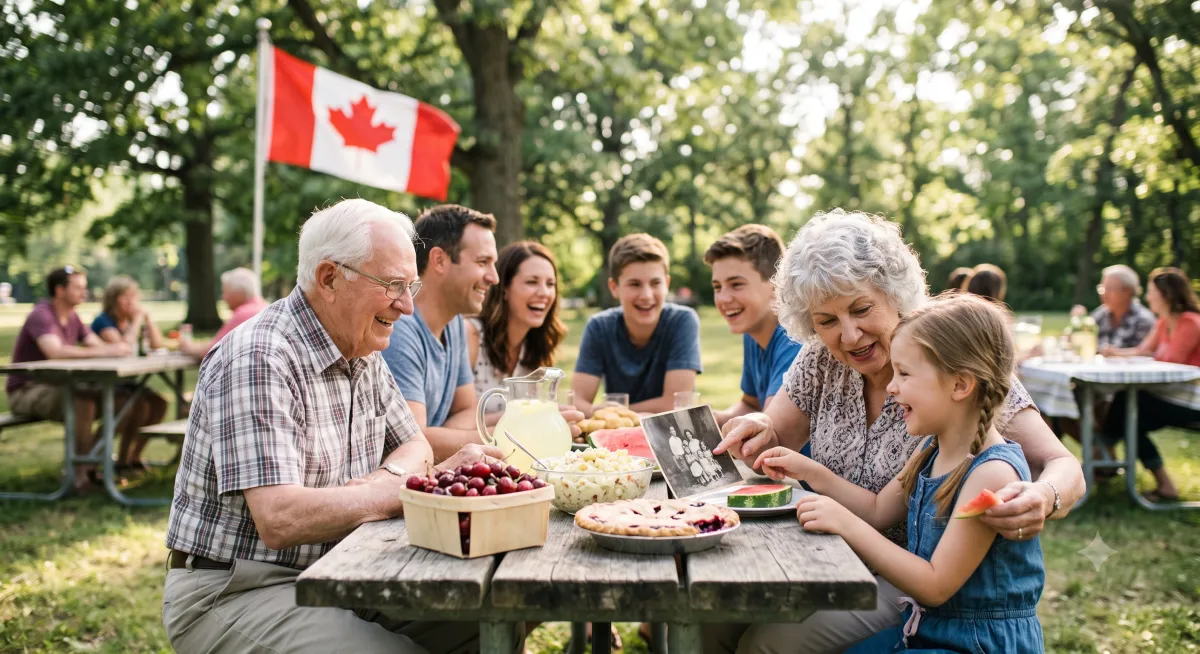
There is a unique energy that fills the air when generations gather in the heat of July. Car doors slam, lawn chairs unfold under the shade of massive oak trees, and the overlapping sounds of laughter, shared stories, and clinking silverware echo across the park or backyard. To the casual observer, a family reunion is simply a pleasant summer social event filled with good food and catching up. But to a family historian, a family reunion is something much more profound: it is living genealogy in action.
Every person who attends a reunion carries a unique piece of the family puzzle.
They hold the memories of departed elders, the exact names of faces trapped in unlabeled tintypes, and the unwritten stories that give our family tree its soul. Far too often, we wait until an elder passes away to wish we had asked them more about the past. A family reunion flips that narrative, providing a golden, joyful opportunity to capture history in real-time. By transforming your next gathering into a proactive genealogy event, you can bridge generational divides and ensure your family’s legacy is preserved for decades to come.
The History and Evolution of Family Reunions
The tradition of the family reunion is deeply rooted in the history of migration and community survival. In the 19th and early 20th centuries, as the promises of the Western frontier, industrialization, and immigration scattered siblings across vast distances, families faced the very real threat of becoming permanently fragmented.
To combat this separation, the concept of the grand family gathering emerged. Early reunions were often massive, highly organized civic affairs. Towns would celebrate the anniversary of their original pioneer settlers, drawing hundreds of descendants back to the old family homestead from across the country. These gatherings featured formal prayers, elaborate multi-course community picnics, long speeches tracking the family lineage, and commemorative group photographs.
While modern reunions are often more casual—ranging from weekend cabin rentals to simple backyard barbecues—their core purpose remains unchanged. They are a declaration that despite the rapid pace of modern life and geographic distance, the bonds of shared blood and heritage remain unbreakable.
Gathering Family Stories and Recording Interviews with Elders
A family reunion is the absolute perfect time to conduct oral history interviews because the atmosphere naturally primes the pump of memory. When cousins get together and begin reminiscing about "the good old days," details that have been dormant for decades suddenly surface.
As the family genealogist, you can capture these moments without disrupting the fun:
The "Two-Cousin" Strategy: Sit down with two or three siblings or first cousins from the oldest generation at the same time. The cross-talk between them is magical. One will say, "Do you remember the old blue car Dad bought?" and the other will add, "Yes, and remember the time it broke down on the way to the lake?!"
Keep It Brief: Don't drag an elder away for a grueling two-hour interrogation. Instead, request 15 to 20 minutes of their time in a quiet space away from the main noise of the party. Focus on high-value, emotionally resonant questions rather than cold dates and locations.
Creating an Interactive Memory Table
One of the most effective ways to spark engagement and gather genealogical data at a reunion is by setting up a dedicated, interactive "Memory Table." This area serves as the emotional anchor of the gathering, drawing in relatives of all ages.
What to Feature on the Memory Table:
The Mystery Photo Box: Bring a folder or box filled with high-quality copies of unidentified family photographs. Place a sign that says, "Who am I?" and provide archival-safe pencils and post-it notes so relatives can write down clues, approximate dates, or names.
Family Group Sheets & Printed Trees: Spread out a large, printed fan chart or pedestrian family tree. Leave blank spaces where information is missing and encourage relatives to write in missing middle names, exact birth dates, or spouse details.
The Heirloom Display: Invite family members to bring one physical item that belonged
to an ancestor—a silver pocket watch, a hand-stitched sampler, a military medal, or an old school report card.
Deep Dive: Genealogy Records & Assets to Highlight
While reunions are about living people, they generate and utilize highly specific genealogical assets that should be carefully integrated into your research files:
1. Family Bibles
Reunions are often the rare moment when the cousin who inherited the fragile 19th-century Family Bible brings it out to share. These pages frequently contain the only surviving written records of births, marriages, and deaths for early generations, written in the hands of our ancestors.
2. Souvenir Programs and Cookbooks
Many classic family reunions publish small souvenir booklets, directories, or custom family cookbooks. These items are incredible historical artifacts, capturing the exact addresses, family units, and culinary traditions of the family at a specific moment in time.
3. Comprehensive Reunion Group Photos
The classic, wide-angle group photograph is a genealogical record in its own right. Always take the time to document exactly who is in the photo from left to right, row by row. A massive group photo from 2026 will be an invaluable treasure for a researcher in 2076 trying to figure out what their ancestors looked like.
Step-by-Step: Launching a Family History Project at Your Next Reunion
To maximize the genealogical value of your next gathering without overwhelming yourself, implement this structured, step-by-step project plan:
Assign Roles Early: Don't try to be the chef, the coordinator, and the historian all at once. Recruit a tech-savvy teenager to handle digital audio recording, a cousin to manage the sign-in sheet, and another to be the designated event photographer.
Set Up a Digital Scanning Station: Bring a laptop and a portable flatbed scanner (or a high-resolution smartphone scanning app). Ask relatives in the invitation to bring their oldest family photo albums. Scan the original photos on the spot so the owner never has to let them out of their sight.
Capture Quick Audio "Soundbites": Set up a smartphone on a tripod in a quiet corner. Have relatives step up and answer a single, fun prompt, such as: "What is the funniest piece of advice Great-Grandpa ever gave you?" This creates a stunning audio collage of the family’s collective personality
Follow Up with a Digital Archive: Within a few weeks of the reunion's conclusion, compile the scanned photos, the corrected family tree data, and a link to the audio recordings into a digital folder (like Google Drive or Dropbox) and email the link to every single attendee.
Personal Reflection: Voices Around the Picnic Table
A few summers ago, at our annual family gathering, I looked around the picnic pavilion and realized how incredibly fragile our history really is. Sitting at the end of the table was my grand-uncle, telling a story about his childhood during the dust bowl era. His voice was a bit raspy, but his mind was sharp as steel.
I quietly opened the voice memo app on my phone and set it on the table next to his plate.
Today, that beloved uncle is no longer with us. But whenever our family gathers, we can press play and hear his exact voice, complete with his trademark chuckle, telling us what it felt like to survive those hard times. That simple, unedited audio file is worth more to me than any official census record or land deed. It reminded me that our job as family historians isn't just to look backward at the dead, but to listen closely to the living.
Conclusion & Call to Action
Family reunions are the ultimate bridge between the past, the present, and the future. They remind us that we are part of a grand, ongoing story that stretched long before us and will continue long after we are gone. By taking intentional steps to capture photos, stories, and records at your next gathering, you protect your family's history from being lost to time.
Now, it’s your turn: When was your family's last big reunion, and what is your favorite tradition when your relatives get together? Have you ever tried gathering history at a family barbecue? Leave a comment below and share your reunion success stories!