Sacred Records: Tracing Faith Through Generations
Sacred Records: Tracing Faith Through Generations
For centuries, faith has been a cornerstone of community and family life. Births, baptisms, marriages, and funerals—often recorded by churches or religious institutions—were not just rituals; they were milestones that shaped identity, social networks, and legacy. For genealogists, these sacred records are invaluable, providing both documented evidence and cultural context for understanding ancestors’ lives. Exploring these records allows us to step into the spiritual and social worlds our forebears inhabited, bridging generations through both tradition and documentation.
A Vignette from the Past
It is 1887, and young Margaret O’Leary carefully approaches the parish office with her mother. Today, she will be baptized, a ritual marking both her spiritual beginning and her place within the family and the community. The parish priest records her name, birth date, parents’ names, and godparents, his careful handwriting preserved in the church ledger. Later, Margaret’s mother recounts the day in a letter to her sister, describing the ceremony, the family gathering, and the joy of welcoming a new member into the faith community. That simple ledger entry, paired with personal narrative, becomes a bridge to future generations, allowing genealogists more than a name or date—it tells a story of belonging and hope.
The Types of Sacred Records
Churches and other religious institutions have historically maintained detailed records that serve both spiritual and administrative purposes. These records often include:
Baptisms/Christenings: Names, dates, parentage, and sponsors or godparents.
Marriages: Spouses’ names, ages, residences, and witnesses.
Burials/Funerals: Dates, places, and sometimes causes of death.
Confirmation or First Communion: Marking significant rites of passage.
Membership Rolls: Attendance, roles in the congregation, and participation in charitable or community activities.
These records can reveal nuances about ancestry that civil documents alone may miss. They often include connections to neighbors, relatives, or godparents, showing extended family networks and social context.
Historical Context Matters
Understanding the historical and religious context of sacred records enhances genealogical research. For example:
Regional Variations: Different denominations kept different types of records. Catholic, Protestant, Orthodox, and Jewish communities each had unique conventions.
Language: Records may be in Latin, German, French, or other languages depending on region and period.
Customs and Rituals: Knowing traditions helps interpret entries—for example, the significance of godparents or witnesses in marriages.
This context ensures that researchers read records accurately, understanding both literal and cultural meaning.
The Role of the Church in Daily Life
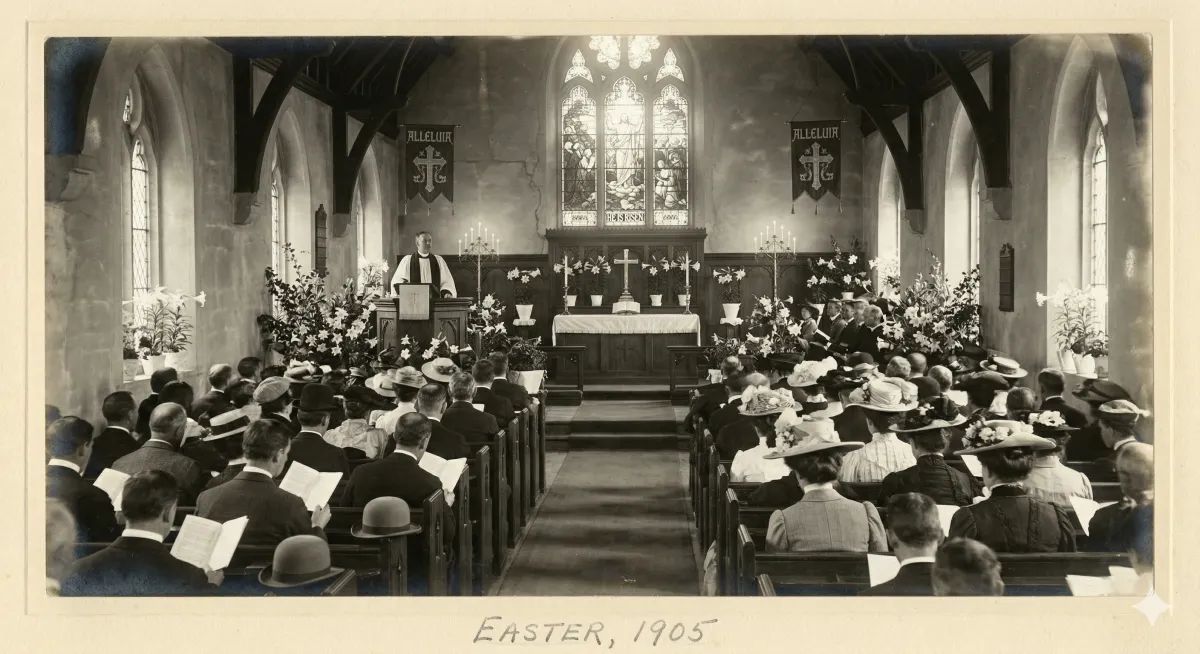
Churches were more than spiritual centers; they were hubs of community life. Families often celebrated, mourned, and socialized within their parish. Weddings, baptisms, and funerals were occasions to gather, exchange news, and strengthen ties. These communal experiences are frequently reflected in the records themselves, which sometimes note attendance, financial contributions, or involvement in parish activities.
For genealogists, such details provide a richer picture of ancestors’ social lives. They reveal relationships beyond immediate family and show how faith intersects with daily existence.
Tracing Records Across Generations
Genealogical research often requires piecing together scattered sacred records. Here’s how to approach it effectively:
Start with What You Know: Begin with recent generations and work backward, noting locations, denominations, and approximate dates.
Identify Repositories: Churches, diocesan archives, and local libraries may hold original ledgers or microfilm copies.
Use Online Databases: Many archives have digitized records, searchable by name, date, and location.
Look for Associated Documents: Letters, diaries, and family Bibles often reference church events.
Cross-Reference with Civil Records: Birth, marriage, and death certificates complement church records and help resolve inconsistencies.
By systematically following these steps, genealogists can reconstruct lineages and uncover narratives previously hidden in plain sight.
Case Studies: Connecting Faith and Family
Consider the example of the O’Leary family. Baptismal records show that Margaret’s mother, father, and grandparents were all baptized at the same parish over decades. Marriage entries reveal godparents who were family friends or distant cousins. Funerals note neighbors’ participation and sometimes family migrations. Each record alone is informative, but together, they illuminate a multi-generational web of relationships, geographic movement, and faith practice.
Or consider immigrant families in North America. Sacred records can show arrival dates, integration into new communities, and continuity of religious traditions despite upheaval. They document cultural preservation while also revealing adaptation in a new land.
Challenges in Sacred Record Research
While invaluable, sacred records come with challenges:
Legibility: Handwriting, fading ink, and old scripts can make interpretation difficult.
Gaps: Fires, floods, or political unrest sometimes destroyed records.
Language Barriers: Latin, German, French, or local dialects may require translation.
Denominational Differences: Even within the same religion, record-keeping conventions varied widely.
Despite these hurdles, careful analysis and corroboration with other sources allow genealogists to piece together reliable narratives.
Preserving Stories for Future Generations
Sacred records do more than document—they inspire storytelling. Combining records with letters, diaries, oral histories, and photographs creates a rich, layered family history. Researchers can:
Visualize ancestors’ lives within their faith communities.
Understand naming patterns, godparent choices, and family alliances.
Connect modern descendants to historical traditions and community practices.
In this way, genealogy becomes not just about tracing names, but about preserving legacy
Reflection: Faith as a Bridge
Sacred records remind us that family history is interwoven with faith, culture, and social life. From a simple baptismal entry to a detailed parish ledger, these records document moments of hope, continuity, and belonging. For genealogists, they are powerful tools to connect past and present, revealing how faith shaped not just ancestors’ spiritual lives, but their social and familial worlds.
By exploring these documents thoughtfully, we honor the lived experience of our ancestors and preserve it for generations to come.